

Microschool Vs Traditional School: Which Is Better For Your PK-3 Child's Faith and Academic Growth?
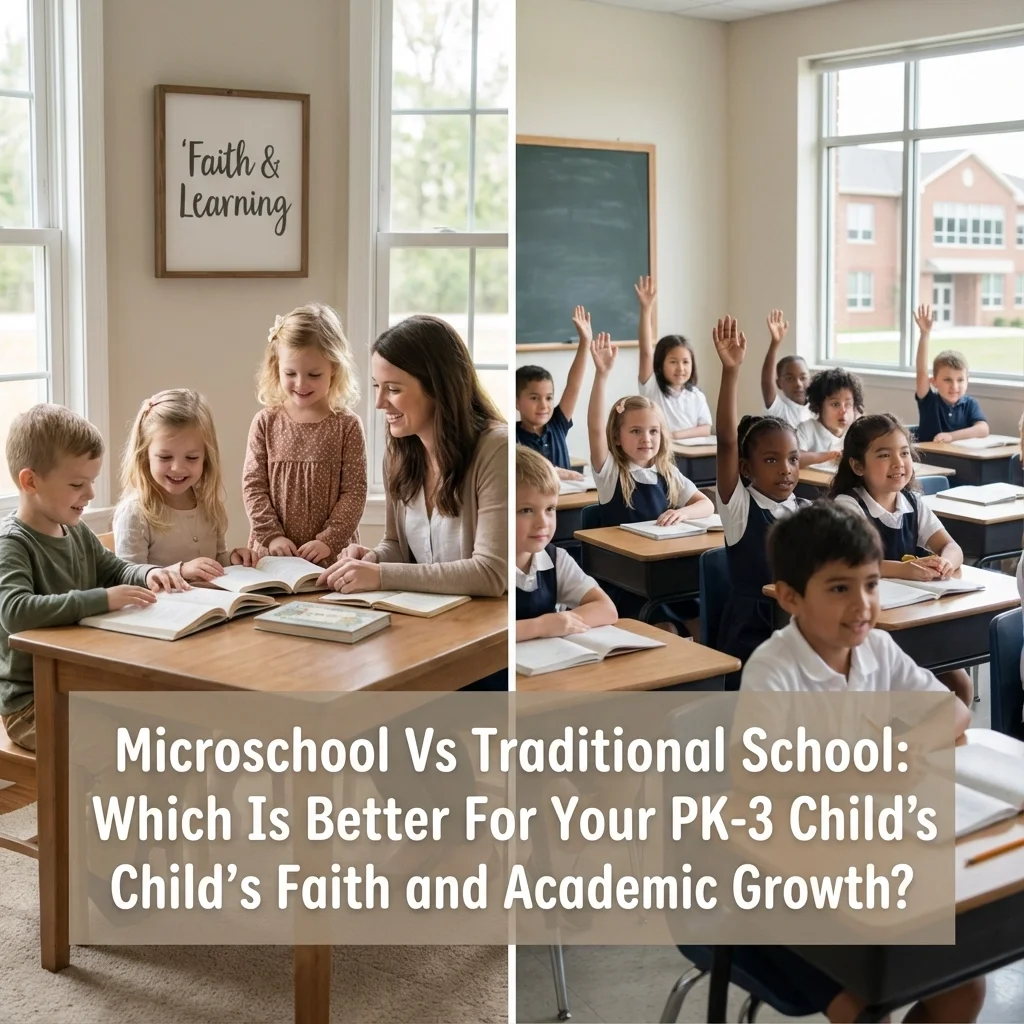
As a parent in Clayton, Henry, or Fayette County, you're probably asking yourself some big questions right now. Should you send your little one to the local elementary school? Or is there something better out there for your Pre-K through 3rd grader?
You're not alone. More families are discovering christian microschools as an alternative to traditional public and private schools. But what's really best for your child's faith and academic growth during those crucial early years?
Let's break it down together.
Why PK-3 Years Are So Critical
The Pre-K through 3rd grade years are when your child's brain is developing at lightning speed. They're forming their first real opinions about learning, building foundational academic skills, and developing their understanding of the world around them.
This is also when many children begin asking deeper questions about faith, purpose, and their place in God's plan.
During these formative years, the environment you choose can shape not just what your child learns, but how they learn and who they become.
Academic Growth: Size Matters
Traditional School Academic Environment
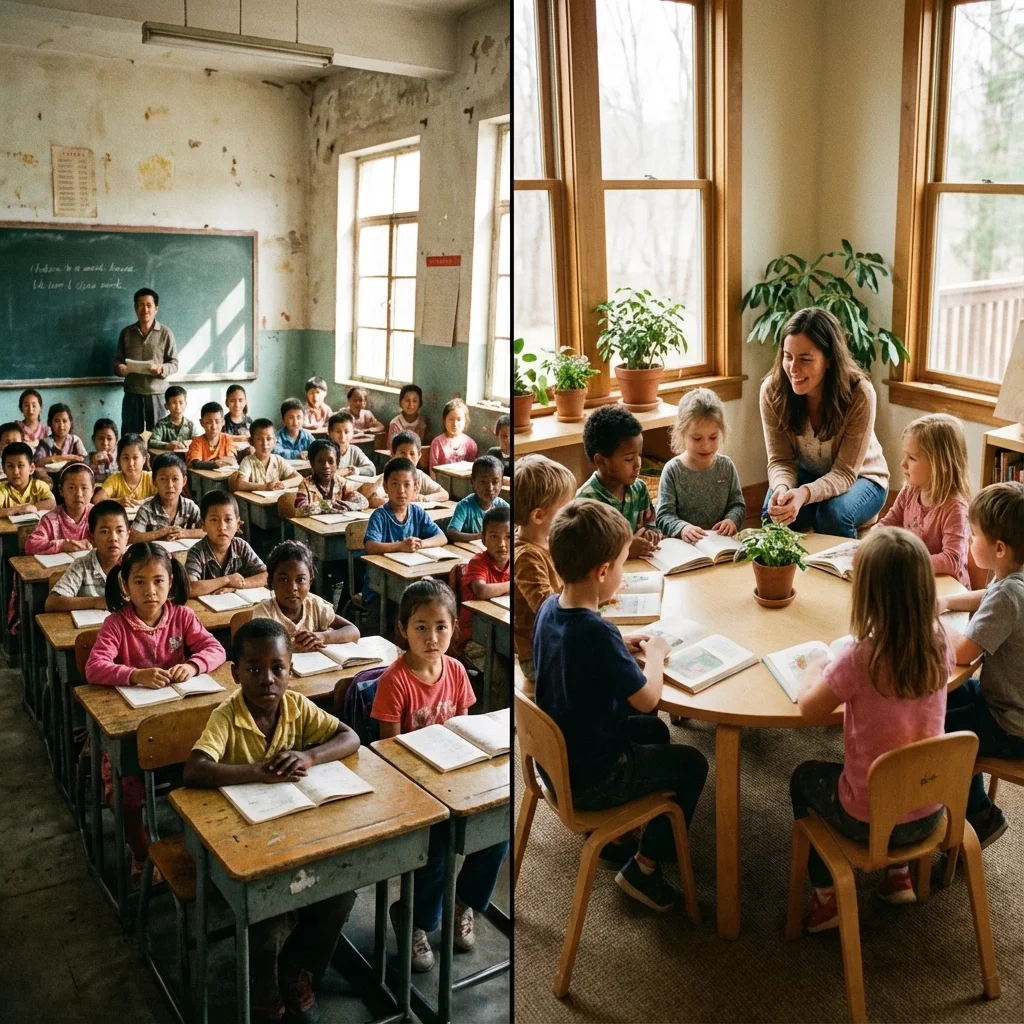
Traditional elementary schools typically have 20-30 students per classroom. While this gives children exposure to lots of peers, it also means less one-on-one attention from teachers.
Your child follows a standardized curriculum that moves at a predetermined pace, whether they're ready or not. Some kids thrive with this structure, while others get left behind or become bored.
Christian Microschool Academic Benefits
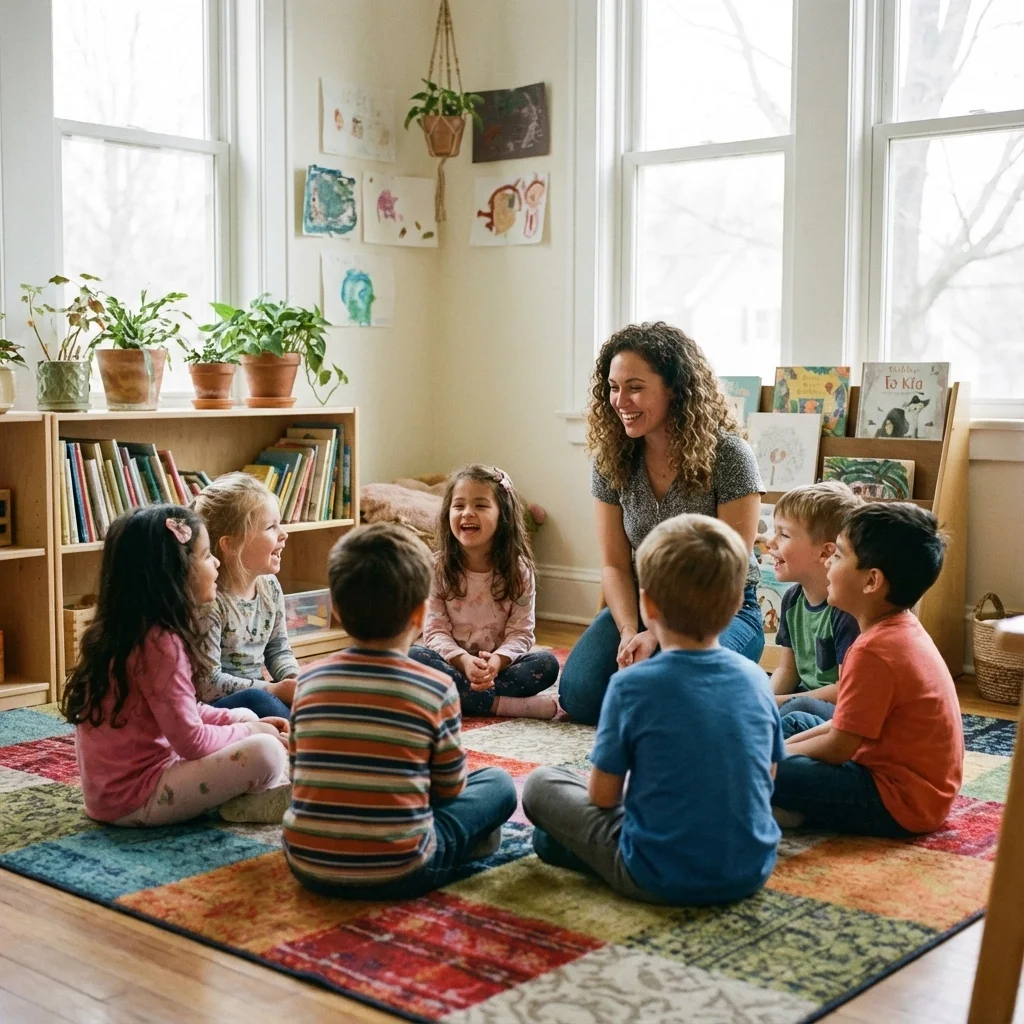
A christian microschool usually serves 8-15 students total, with even smaller class groupings. This means your child gets truly personalized christian education.
Teachers can slow down when your 5-year-old needs extra time with phonics, or accelerate math concepts when your 7-year-old is ready for bigger challenges.
The flexible approach means learning happens at your child's pace, not the district's timeline.
Faith Development: Where Does God Fit?
Traditional School Faith Limitations
Public schools legally cannot incorporate faith-based education. Private schools vary widely in their approach to spiritual development.
Your child might spend 6-7 hours daily in an environment where their faith questions go unanswered, or where they're exposed to worldviews that conflict with your family values.
Faith-Based Education PK-3 Advantages
In a faith based education pk-3 environment, spiritual growth isn't an add-on: it's woven throughout the day.
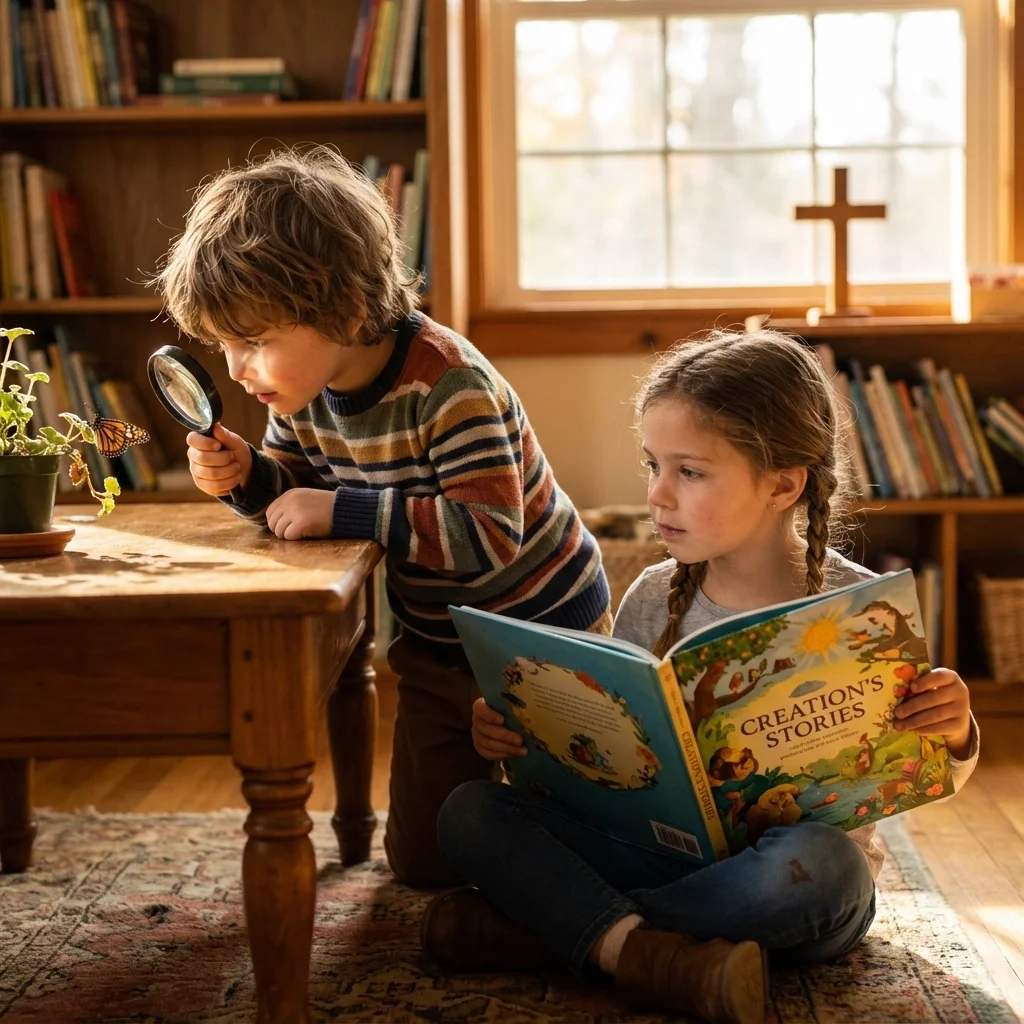
Math lessons might include Bible-based story problems. History comes alive through biblical timelines. Science explores God's incredible creation.
Your child learns that faith and learning aren't separate compartments, but part of one beautiful, integrated life.
Social Development: Quality vs. Quantity
The Traditional School Social Scene
Traditional schools offer exposure to many children from diverse backgrounds. Your child will interact with 20-30 classmates regularly.
However, larger groups can sometimes lead to negative peer pressure, bullying, or your quiet child getting lost in the crowd.
Microschool Community Building
In a smaller christian microschool setting, your child develops deeper friendships. They learn conflict resolution skills in a supportive environment where Christian values guide interactions.
Multi-age learning means your child might help younger students while learning from older ones: just like in a family setting.
The tight-knit community often extends to families, creating lasting relationships built on shared values.
Learning Differences and Individual Needs
Traditional School Challenges
If your child has learning differences, traditional schools often rely on standardized interventions. They may struggle to provide truly individualized support within their larger system.
Microschool Flexibility
Personalized christian education means teachers can adapt teaching methods to your child's unique learning style from day one.
Whether your child is a visual learner, needs movement breaks, or processes information differently, the smaller environment allows for real customization.
Practical Considerations for Local Families
Schedule and Convenience
Traditional schools follow district calendars and rigid schedules. Microschools often offer more flexibility for family vacations, appointments, or life circumstances.
Cost Comparison
Public schools are "free" but many families invest in tutoring, after-school programs, and supplemental materials anyway.
Private schools and christian microschools require tuition investment, but often provide more comprehensive support that eliminates extra costs.
Transportation and Location
Traditional schools may require long bus rides or complicated pickup logistics. Many microschools in Clayton, Henry, and Fayette counties are strategically located for convenient family access.
Red Flags to Watch For
In Traditional Schools:
Your child dreads going to school
Academic pace is too fast or too slow
Values conflicts arise regularly
Your child's individual needs aren't being met
In Any School Setting:
Lack of communication from teachers
No clear educational philosophy
High teacher turnover
Limited parent involvement opportunities
Making the Right Choice for Your Family
Consider Your Child's Personality
Does your child thrive with lots of stimulation and large groups? Or do they flourish with quieter, more intimate learning environments?
Evaluate Your Family Values
How important is it that your child's education reinforces your faith throughout the day? What role do you want spiritual development to play in their early education?
Think About Long-Term Goals
Are you preparing your child for a specific high school or college path? How do you want them to view learning and faith as they grow?
Assess Practical Needs
What does your family budget allow? What schedule works best for your lifestyle? How important is location convenience?
Questions to Ask Any School
Before making your decision, visit potential schools and ask:
How do you handle children with different learning paces?
What's your approach to discipline and character development?
How do you communicate with parents about daily progress?
Can you show me examples of how faith is integrated into academics? (for faith-based schools)
What's your teacher-to-student ratio?
How do you prepare children for their next educational step?
The Bottom Line for Local Families
There's no one-size-fits-all answer. Some children absolutely flourish in traditional school settings, while others bloom in the personalized attention of a christian microschool.
The key is finding the environment where your individual child can grow academically, socially, and spiritually during these crucial PK-3 years.
For families in Clayton, Henry, and Fayette counties who value faith based education pk-3, a christian microschool offers something unique: the chance for your child to develop a love of learning within a community that shares and reinforces your family's values.
Ready to explore your options?
If you're curious about how personalized christian education might benefit your PK-3 child, we'd love to chat. At The Remnant Christian Academy Microschool, we understand the unique needs of young learners and the importance of nurturing both mind and spirit.
Visit our website to learn more about our approach, or get started with a conversation about your child's needs.
Your child's early years are precious. Choose the environment where they can truly flourish.
